Scalp Health 101: Why Healthy Hair Actually Starts at the Roots
Dandruff, itchiness, oiliness, hair fall — most hair problems are actually scalp problems. Here's how to fix the soil so the hair grows strong.

Sevwas Beauty Desk
28 June 2026
Think of your scalp as soil and your hair as the plant. No matter how good the fertilizer (shampoo, conditioner, serum), if the soil is depleted or infected, the plant won't thrive. Trichologists estimate that 70% of "hair problems" — thinning, breakage, dullness, excess oil — originate in the scalp.
The scalp microbiome
Your scalp is home to billions of bacteria and fungi living in balance. When that balance breaks (stress, weather, harsh products, infrequent washing), one strain overgrows. Malassezia overgrowth causes dandruff. Staph overgrowth causes folliculitis (those painful bumps). The fix isn't more shampoo — it's the right shampoo with the right active ingredient.
Common scalp conditions and their real fixes
Dandruff — look for ketoconazole, zinc pyrithione, or selenium sulfide. Rotate them every few months so the fungi don't adapt.
Oily scalp — over-washing triggers MORE oil (your scalp panics). Wash every 2–3 days with a salicylic acid shampoo. Apple cider vinegar rinses help balance pH.
Dry, itchy scalp — often contact dermatitis from fragrance or sulfates. Switch to fragrance-free. Tea tree oil and aloe soothe inflammation.
Hair thinning — check for minoxidil responsiveness, iron, vitamin D, and thyroid. Most thinning is treatable once the cause is identified.
The weekly scalp routine that changes everything
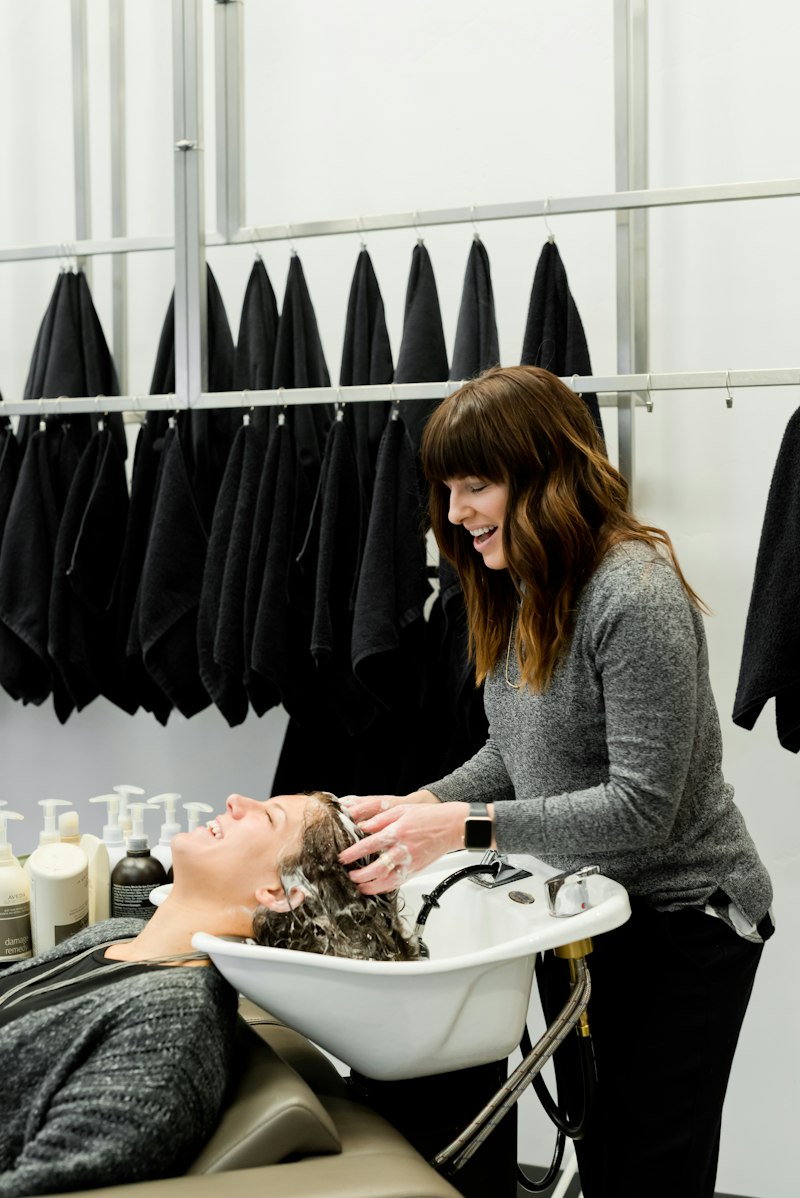
Once a week: exfoliate (salicylic or glycolic scalp scrub), massage (5 minutes stimulates blood flow to follicles), treat (a targeted serum or tonic), then shampoo. This single 15-minute routine, done weekly, resolves most chronic scalp issues within 6 weeks.
Book a free scalp consultation — our specialists use a trichoscope to examine your follicles up close.
Special Offer for Readers
Claim your Free scalp consultation on your next salon visit.